Nobody can prove who said yes
A machine or AI can act without a clear, written permission that has an end date.
USG Radius is the shared foundation every Umanah Systems Group product is designed to run on. Tools are made once, and every product reuses them.
Before anything acts, USG Radius checks that it is allowed, and writes it down in a signed record nobody can quietly change.
Who may do what, where, and until when. Every permission has an owner and an end date, and every machine has lines it must stay inside.
Every request, yes and no, is written into a signed record nobody can quietly change, ready for a review, an audit or an investigation.
AI, memory, simulation and design tools, made once and reused by every product instead of rebuilt each time.
Try a proposed action on a virtual copy first. The copy gives advice; the permission check still makes the call.
Small kits so any software, robot or sensor can connect, from our products or another maker's, without being rewritten.
People, AI agents and our products ask. USG Radius checks, connects and records. Data, rules, AI models and machines plug in underneath.
On a phone, swipe the drawing sideways to see all of it.
Most can't prove who allowed it. Rules live in documents, not inside the systems. When something goes wrong, the logs show what happened, but not who said yes or why.
A machine or AI can act without a clear, written permission that has an end date.
Software, settings and AI models get swapped out without anyone signing off.
Ordinary logs can be edited, lost, or missing the one detail an investigator needs.
Every product is a builder. The builders borrow the same tools, a guard checks every use, and a logbook writes it all down. Make a tool once, and every product gets it.
Pick a change and watch what USG Radius does with it.
who Plant operatorwants to Deploy configuration 7.2on Line controller
The operator has an active permission, configuration 7.2 is the approved version and every value is inside its limits, so the change goes ahead.
EV-000000A digital twin is a virtual copy of a real system. USG Radius can try a proposed action on the copy first and show what might go wrong. The copy gives advice. The permission check still makes the call.
A person, a model or a machine asks to do something.
The copy plays out the possible paths and flags any that cross a limit.
Only then does the real request go to the permission check.
Vigilantyx is the security company of Umanah Systems Group, and USG Radius is its first client. Before a new version of a shared tool can go live on USG Radius, Vigilantyx checks it first.
Every new version is scanned for known security holes, leaked keys and risky build settings. A serious problem that already has a fix stops the update. A check that could not run counts as a fail, never a pass.
Only then does the new version run a real job, and every product that uses it runs its own tests against it.
The new version goes live only when every step passes. The previous one is kept, so the change can be undone.
It works both ways. Vigilantyx also watches the code and websites of every product on USG Radius, and each Vigilantyx scan asks USG Radius for permission first and lands in the same signed record.
Routes collision warnings between satellite operators and asks USG Radius before it proposes a manoeuvre. Advice, never a command.
ConnectedIbom Space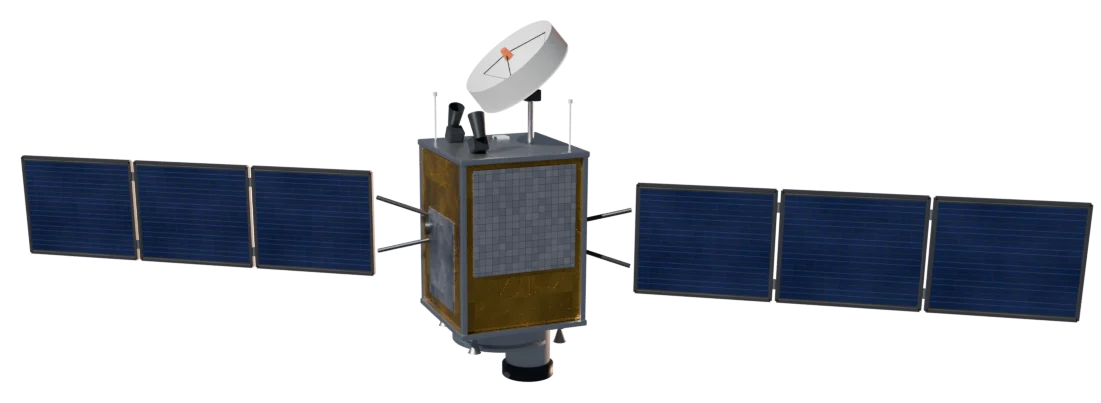
Satellite parts and an in-orbit servicing tug, designed and simulated in Easley.
Signed up, waiting for its softwareEasley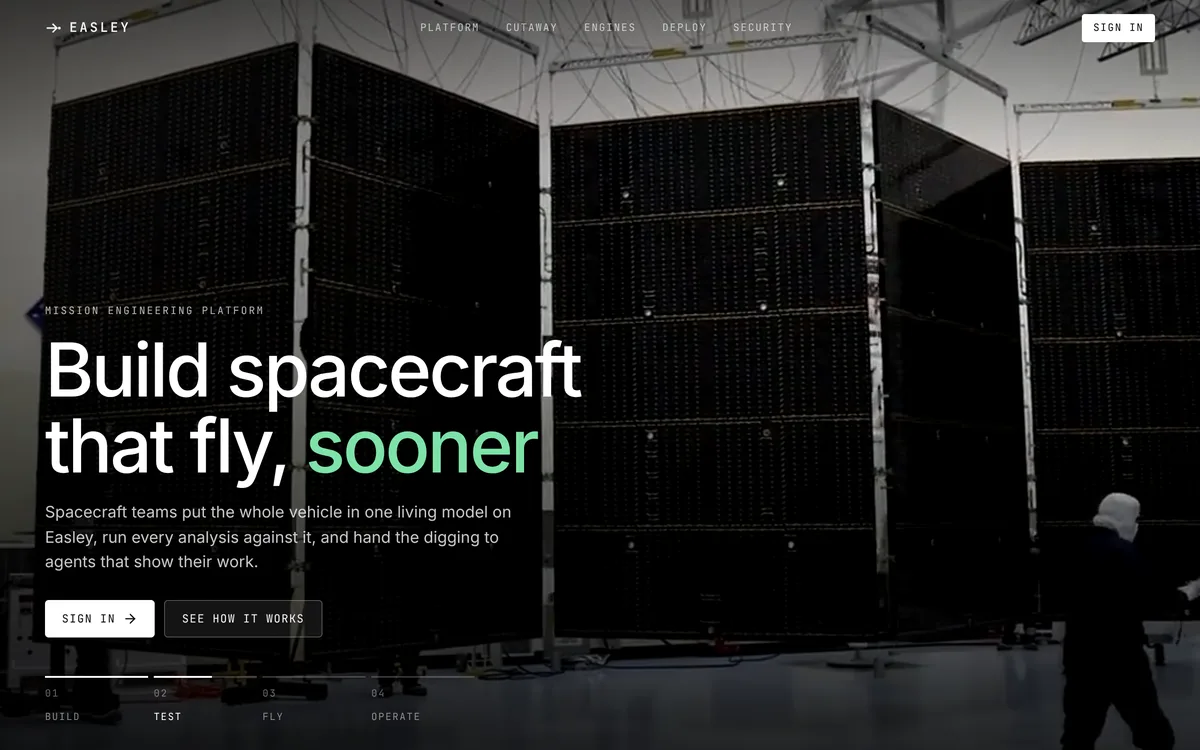
The mission engineering platform for spacecraft: one living model, every analysis run against it, and agents that show their work.
Connected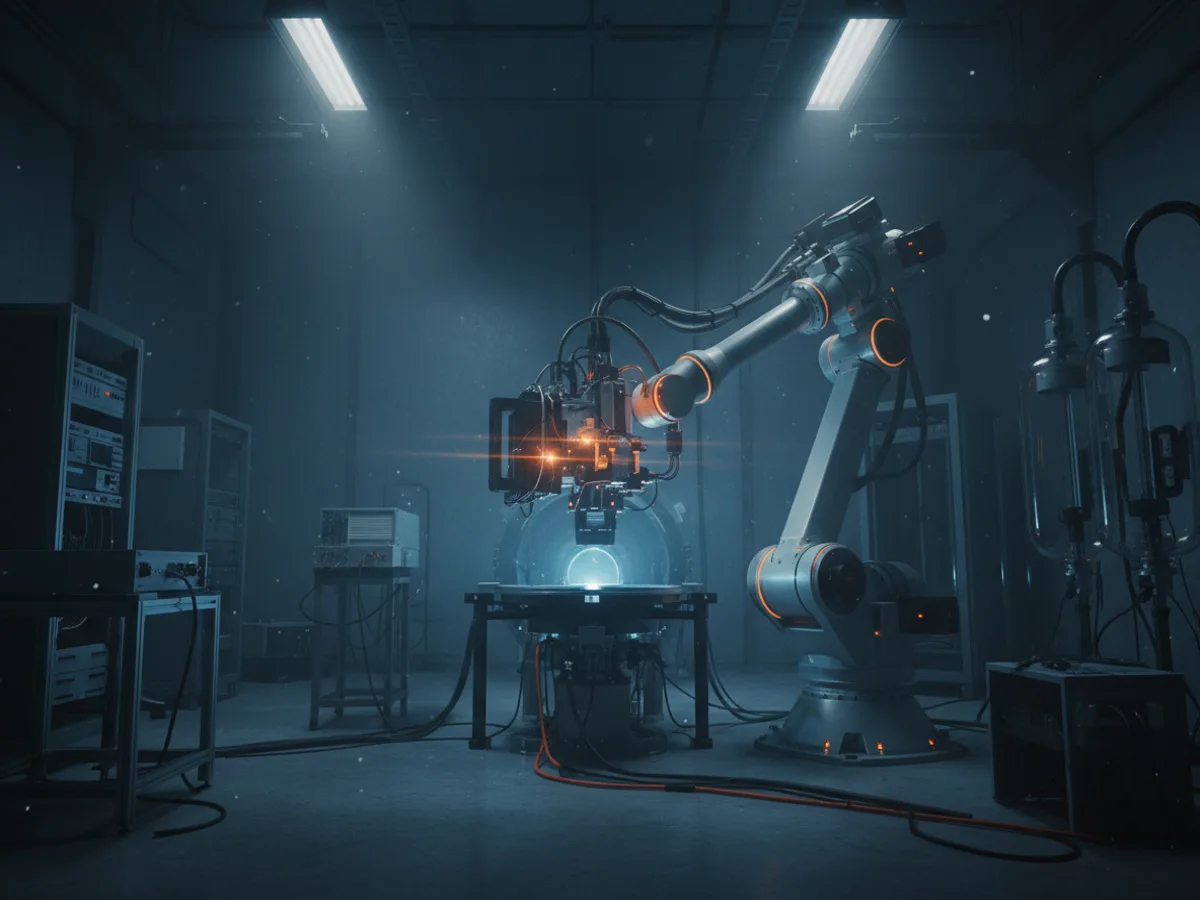
Robots for infrastructure inspection that stay inside the limits you set, with every action on the record.
Connected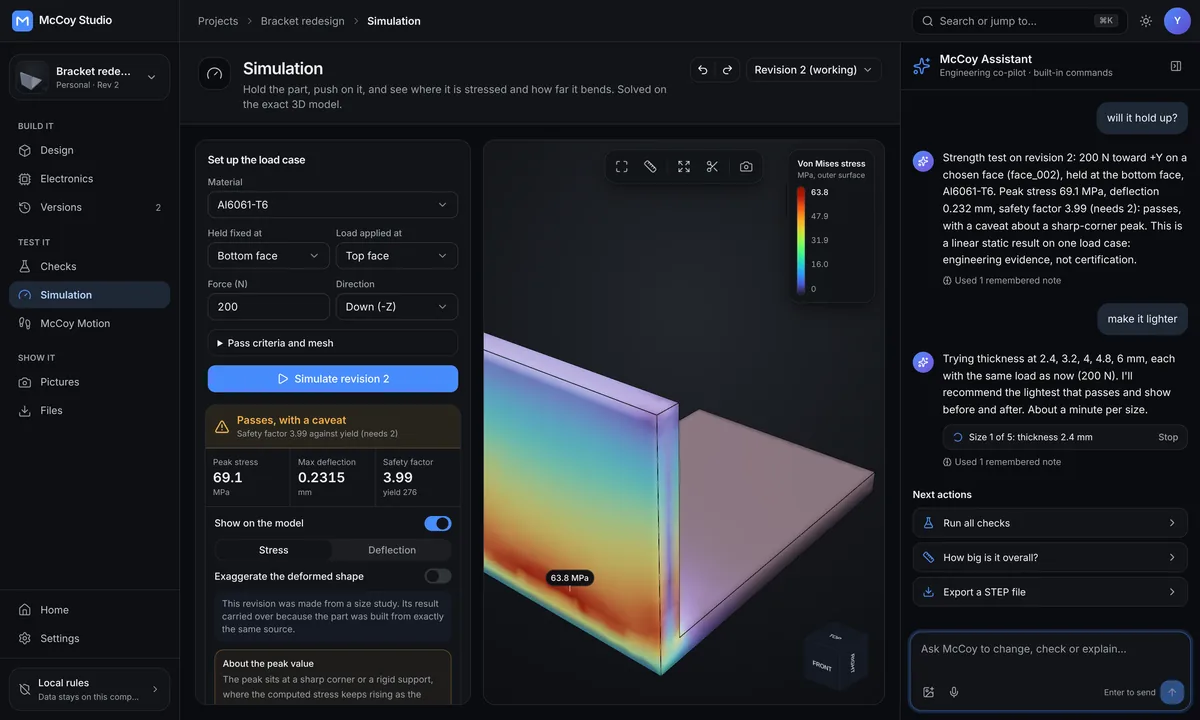
Design studio from Lucent Robotics: parts, boards and simulations, each change a new revision.
Connected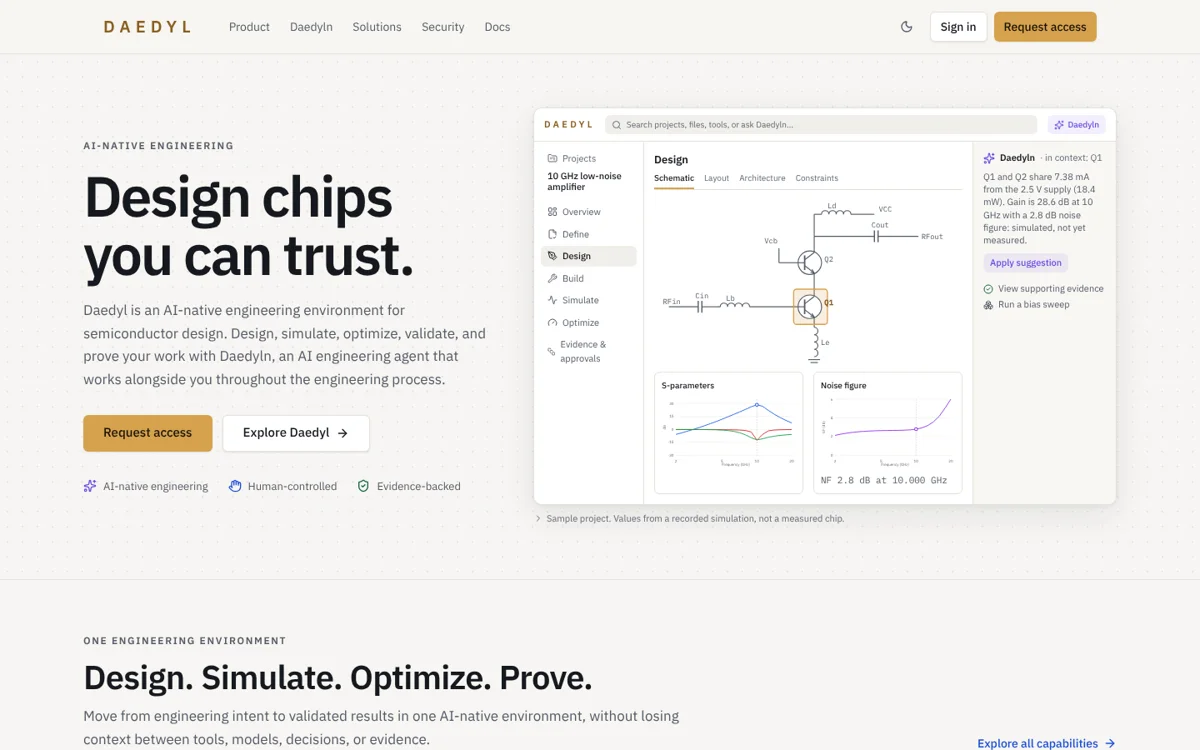
Every design tool job in Daedyl asks USG Radius first, and every answer goes in the logbook. The first product connected.
ConnectedTitanym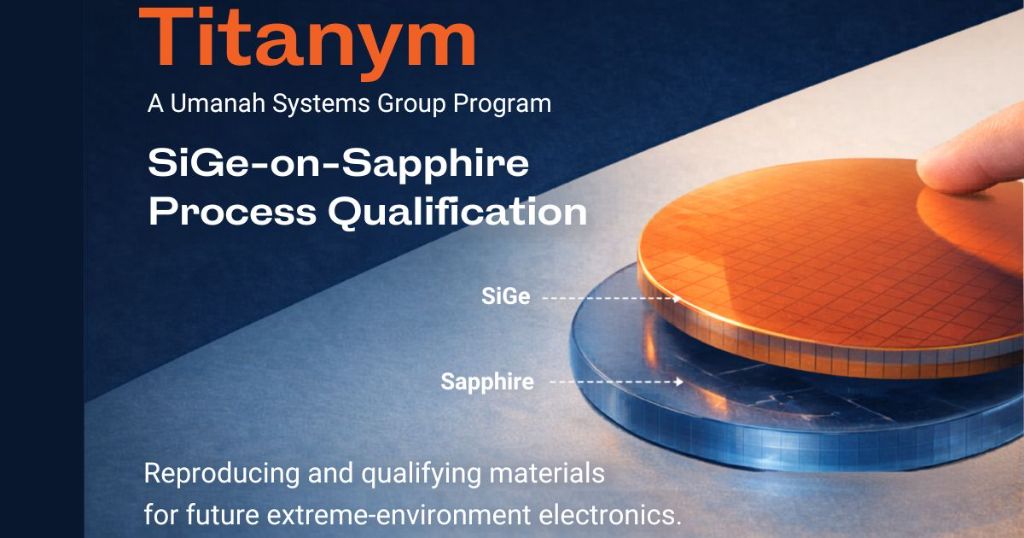
Qualifies SiGe-on-sapphire materials for extreme-environment electronics. Its process runs through Daedyl, so every step is checked and recorded.
Builds on DaedylSensor company from Umanah Systems Group.
Signed up, waiting for its softwareSensor company from Umanah Systems Group.
Signed up, waiting for its softwareFrom Umanah Systems Group.
Signed up, waiting for its software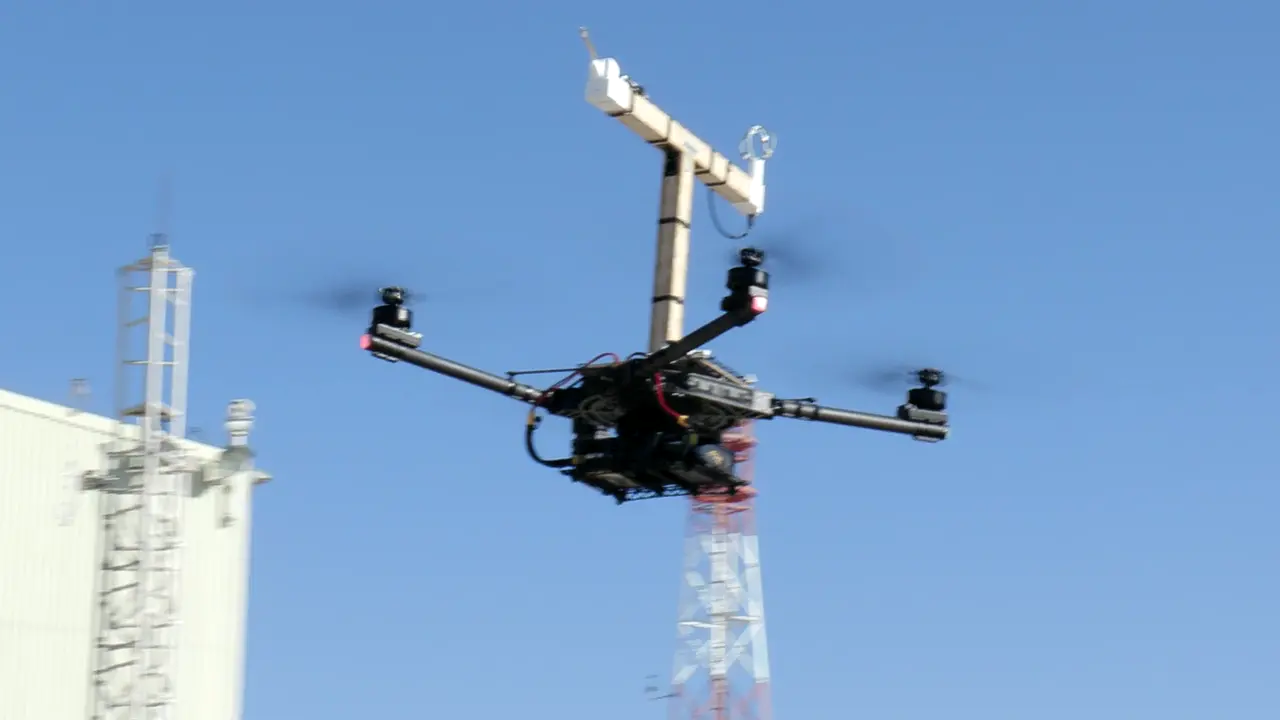
Uncrewed systems from Umanah Systems Group.
Signed up, waiting for its software
Avionics for uncrewed aircraft, boats and ground vehicles.
Signed up, waiting for its softwareThe USG hardware foundation: design, CNC, motors, sensors and actuators.
Signed up, waiting for its softwareMotors from Umanah Systems Group.
Signed up, waiting for its software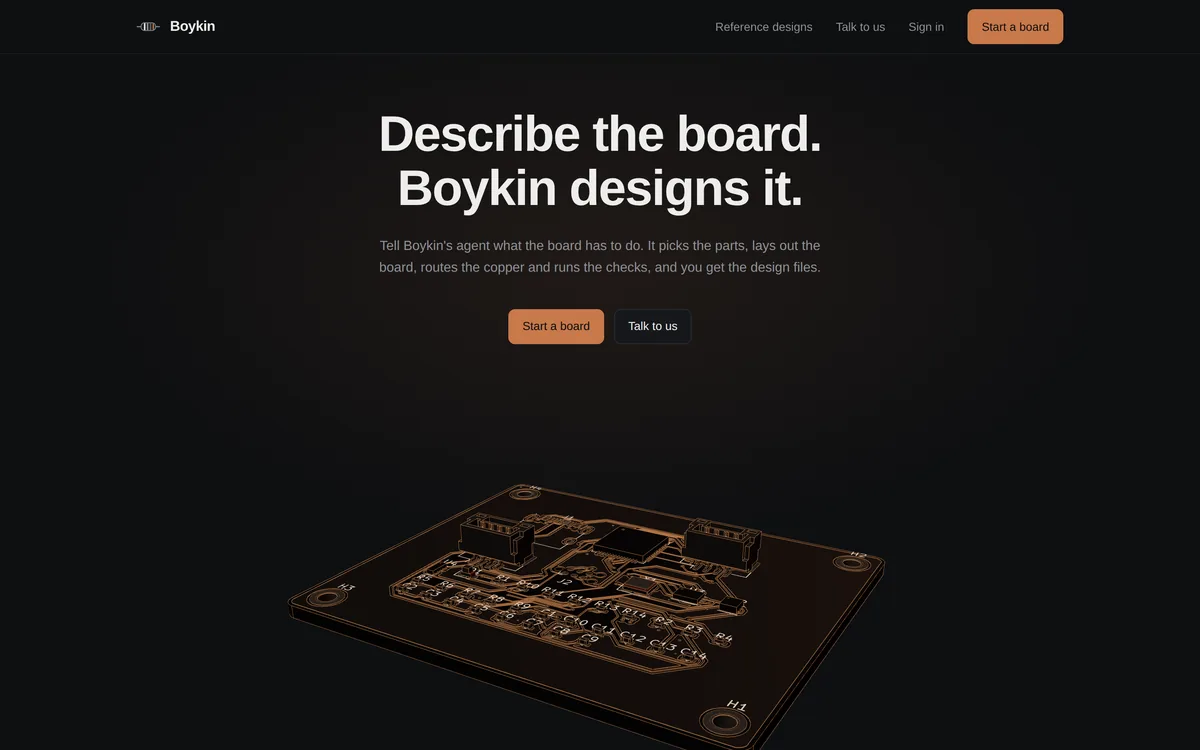
Circuit board design: describe the board and Boykin picks the parts, lays it out, routes it and runs the checks.
ConnectedUSG Radius doesn't drive your machines. It answers one question before they act: is this allowed? Your software keeps doing its job, and a small kit connects it.
{
  "action": "deploy.configuration",
  "actor": "operator-01",
  "authority": "lease-ref",
  "scope": "mission-application",
  "context": { "config_version": "v1.8" }
}
The shape of a request as it reaches USG Radius.
USG Radius is not available to the public. We speak with teams whose machines, software or AI can't afford to get it wrong.
contact@umanahsystems.com